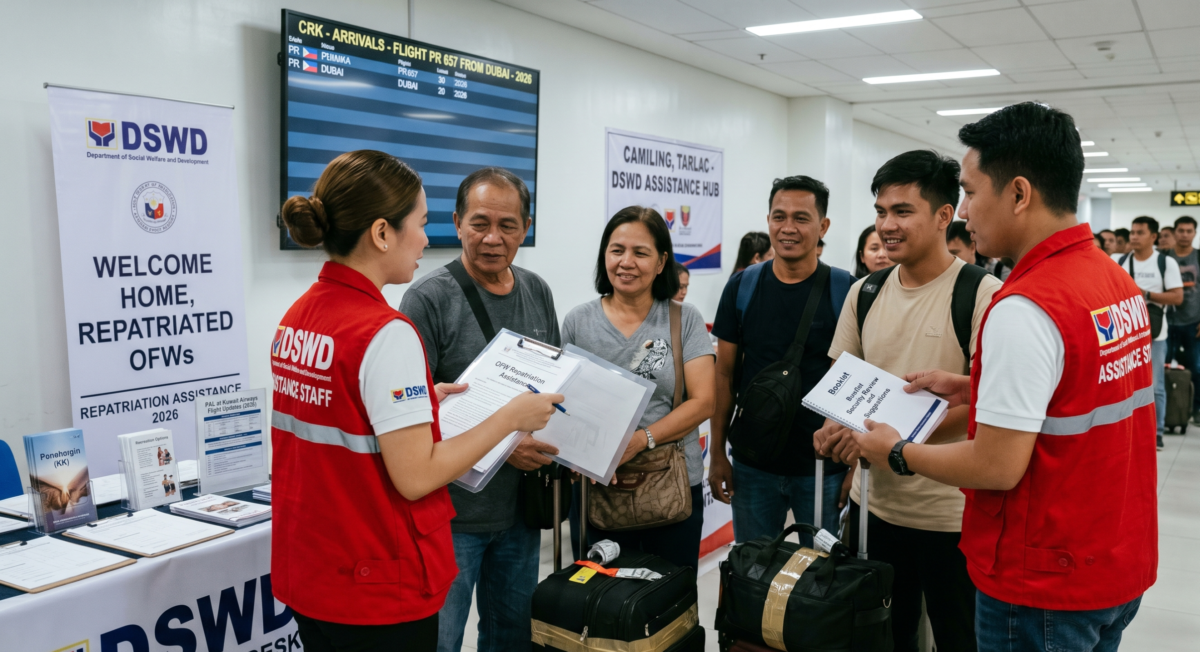
The Philippine government prioritizes the safety, security, and welfare of Overseas Filipino Workers (OFW) above all else. With the shifting geopolitical climate and ongoing developments in the Middle East, particularly in Kuwait and surrounding regions, the administration has rolled out extensive contingency measures. This proactive approach ensures that every Filipino worker has access to a secure and well-organized repatriation process if the situation in their host country worsens.
This comprehensive guide outlines the available OFW repatriation assistance, the step-by-step process to avail of it, and the necessary emergency hotlines you must save right now to protect yourself and your family.
Contents
Understanding the Repatriation Program
Repatriation is a coordinated government effort designed to safely bring home distressed, undocumented, or displaced Filipinos. Whether you are facing severe labor disputes, experiencing medical emergencies, or caught in areas of escalating conflict, the Department of Migrant Workers (DMW), the Overseas Workers Welfare Administration (OWWA), and the Department of Social Welfare and Development (DSWD) are working together to facilitate your safe return.
The government’s repatriation plan is not just about providing a plane ticket; it encompasses a holistic approach to ensure that returning OFWs can safely reach their home provinces and reintegrate into their local communities smoothly.
Types of Assistance Provided to Returning OFW
The repatriation package goes beyond simply flying you out of the Middle East. Here are the core support services you can expect when you apply for government assistance:
- Transportation Assistance: The primary feature of the program is securing free flight tickets back to the Philippines. Upon arrival in Manila, the government also provides domestic transport assistance (whether by air, land, or sea) to ensure you reach your specific home province safely and without out-of-pocket expenses.
- Financial and Livelihood Aid: Returning home unexpectedly can be financially draining. Agencies like the DSWD and OWWA provide immediate financial aid (cash assistance) to help with basic needs upon arrival. Additionally, reintegration programs are available to help repatriated OFWs start small businesses or find local employment through the DTI and DOLE.
- Medical and Psychosocial Support: Distressed OFWs who have experienced trauma, abuse, or serious health issues while abroad will receive immediate medical attention upon their return. Professional psychological counseling is also offered to help workers process their experiences and transition back to normal life safely.
- Temporary Shelter: For those who need a place to stay while waiting for their onward travel to the provinces, the government provides free temporary accommodation in halfway houses, complete with free meals and basic hygiene kits.
Step-by-Step Process: How to Avail of Repatriation Assistance
If you or someone you know needs to be repatriated from the Middle East, it is crucial to follow the proper channels to ensure a swift response from authorities.
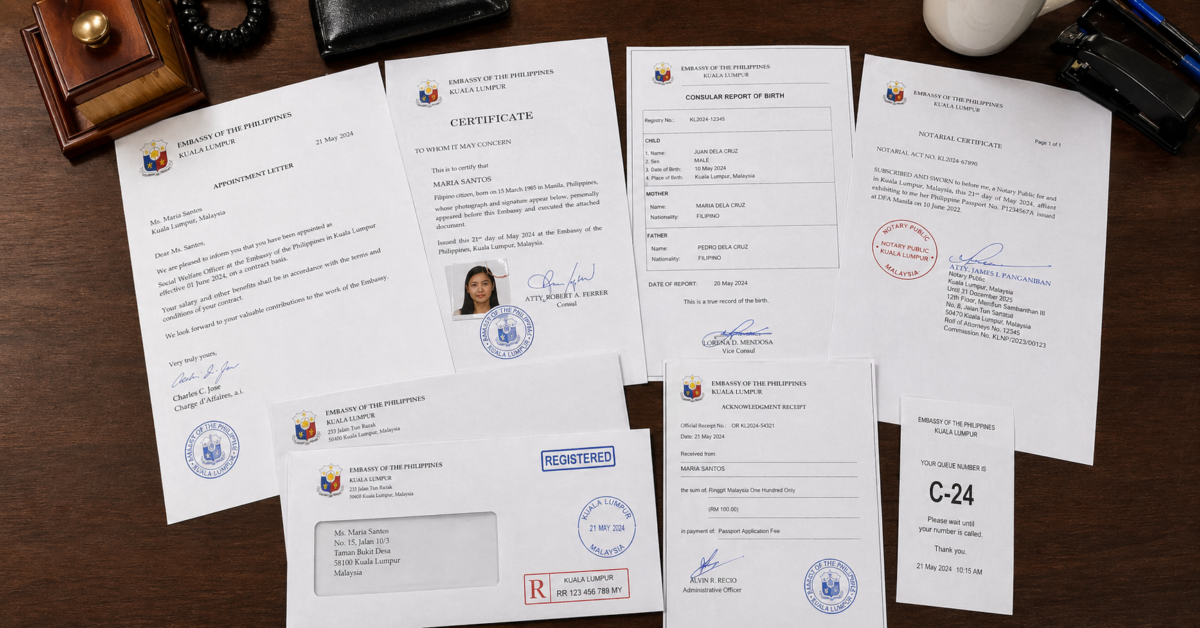
Step 1: Complete the Official Registration Form The first and most critical step is to make yourself known to the Philippine Embassy. OFW in Kuwait and the broader Middle East must fill out the official government “Request for Assistance” online form. Providing accurate, complete, and updated information ensures that your case is prioritized and processed efficiently.
Step 2: Contact the Migrant Workers Office (MWO) Once registered, get in touch with the MWO or OWWA desk in your host country. Inform them of your intent to be repatriated and briefly explain your current situation.
Step 3: Document Verification and Exit Clearances The embassy will verify your employment and immigration status. Even if you are an undocumented worker, a victim of illegal recruitment, or have absconded from an abusive employer, the government will still assist you. They will help secure emergency travel documents (if your passport is withheld) and negotiate exit visas or clear penalties with local immigration authorities on your behalf.
Crucial Reminders for Filipinos in the Middle East
While the government is fully prepared with its contingency plans, it is vital that OFWs also do their part to stay safe:
- Remain Calm and Vigilant: Always be aware of your surroundings and adhere to local curfews or laws.
- Combat Misinformation: Avoid spreading unverified news on social media that could cause unnecessary panic among the Filipino community. Rely only on official announcements from the Philippine Embassy, DMW, and OWWA.
- Secure Your Documents: Make sure your vital travel documents—such as your passport, civil ID, and employment contracts—are stored in a safe, easily accessible place in case you need to leave quickly.
☎️ Emergency Contact Numbers in Kuwait
If you are currently based in Kuwait, please save the following numbers immediately. These hotlines are manned by dedicated personnel ready to assist you in times of crisis:
Philippine Embassy Hotlines:
- 📞 +965 6500 2612 (Accessible 24/7)
- 📞 +965 2220 5571 (Office hours)
MWO / OWWA Hotlines:
- 📞 +965 9403 9063
- 📞 +965 6040 3858
- 📞 +965 6558 5355
PAG-IBIG Hotline:
- 📞 +965 9669 3777
SSS Hotline:
- 📞 +965 6996 0266
The Philippine government continues to closely monitor the situation across the Middle East and remains completely committed to ensuring the safety and protection of every Filipino working abroad. Please share this information with your fellow Kababayans.