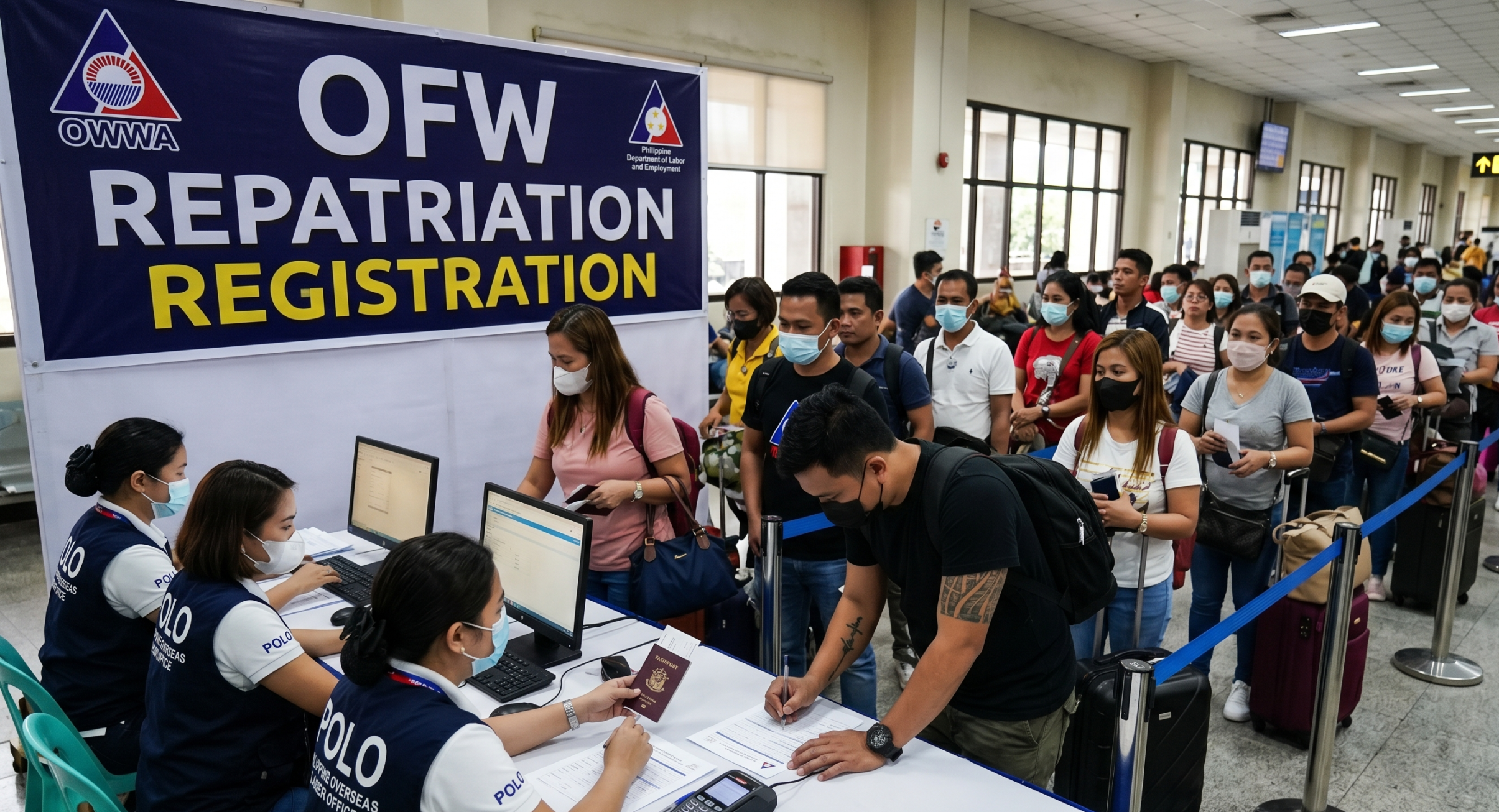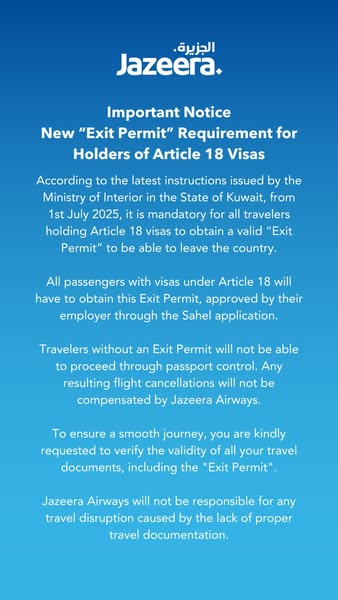

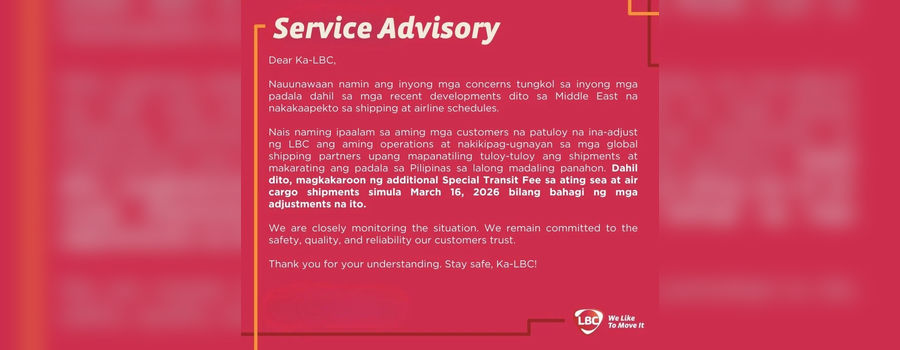

For many Overseas Filipino Workers (OFW) based in Kuwait, making the decision to go home to the Philippines is incredibly important, especially during times of regional uncertainty.
When direct flights become limited, frequently delayed, or nearly impossible to secure, panic can easily set in. Consequently, many OFWs begin looking for alternative routes to reach Manila. The good news is that there are several practical transit options outside Kuwait. However, choosing the right route requires careful planning, because these alternatives can be expensive and logistically demanding.
In this guide, we will break down the safest, most practical alternative routes and share crucial tips to ensure you reach home legally and safely.
Contents
🛬 Direct Flights: Still Your Best Option
Before exploring transit hubs, remember this: If direct flights from Kuwait to the Philippines are available, they remain your best and safest choice. A direct route drastically reduces the stress of multiple airport transfers, confusing transit visa restrictions, and unexpected schedule changes. However, when a direct flight is simply not an option, having a solid backup plan is absolutely necessary.
✈️ Practical Alternative Routes Outside Kuwait
If you need to book a connecting flight, here are the most reliable alternative transit hubs in the Middle East:
1. Via Dubai or Abu Dhabi (UAE)
Traveling through the United Arab Emirates (UAE) is one of the most common and reliable alternatives. Dubai and Abu Dhabi serve as massive global transit hubs with strong, frequent onward connections to the Philippines. OFWs who secure a valid booking through the UAE will generally find this route highly flexible compared to others.
2. Via Doha (Qatar)
Doha is another major transit point for passengers heading back to Manila. While this is a highly useful option, travelers must exercise extra caution. Flight schedules in this region can sometimes change with very little notice. Pro-tip: Only proceed to the airport if you are holding a confirmed and fully ticketed booking.
3. Via Bahrain or Dammam (KSA)
Some passengers may look into Bahrain-connected routes or crossing into Dammam, Saudi Arabia. Please be aware that these options may involve strict visa or entry requirements depending on how your tickets are arranged. These routes are only practical if your travel documents are 100% complete and valid for cross-border transit.
4. Via Muscat (Oman)
Muscat serves as an excellent alternative hub for flights to the Philippines. For OFWs seeking a slightly quieter transit experience, Oman Air provides a great option—especially when seats through larger hubs (like Dubai) are sold out. (Note: Always check specific health or travel requirements for Oman before booking).
5. Via Riyadh (KSA)
Saudi Arabia can also serve as a transit point if there are available onward flights to Manila. However, this route should only be considered by passengers who have the legal right to enter or transit through Saudi Arabia.
🏢 Locate Official Airline Support Channels
During an emergency, scammers often prey on desperate travelers. Never book through unverified individuals on Facebook. Always use the airline’s official support pages or office locators:
- Emirates: Main support is in Dubai. Reach them via their official website, Facebook, or X (formerly Twitter).
- Qatar Airways: Based in Doha. Use their official website or verified social media pages (Facebook, Instagram, LinkedIn).
- Etihad Airways: Support is available at Zayed International Airport in Abu Dhabi. Check their official website and YouTube channel.
- Gulf Air: Based in Bahrain. Contact them through their official website or customer contact center.
- Oman Air: Centered in Muscat. Reach out via their global contacts page online.
- Cebu Pacific & Philippine Airlines (PAL): Use their official online Help Centers, ticket directories, or verified web chats. Always verify terminal details if flying out of Dubai or Riyadh.
- Kuwait Airways: Check their official office locator and hotline for any immediate flight status changes.
💡 Crucial Tips and Reminders for Emergency Travel
Traveling home during a disruption requires more than just buying an expensive ticket. OFWs must prepare wisely:
- Do Not Rely on Rumors: Ignore random messages in group chats. Verify everything through official airline apps or hotlines.
- Resolve Legal Issues: If you have unpaid loans, a travel ban, or court-related issues, do not attempt to bypass airport security. Resolve the matter legally and seek proper guidance.
- Pack Smart: Bring only basic necessities. Prioritize your passport, valid IDs, daily medicines, chargers, wallet, and one to two sets of clothes in your hand-carry.
- Backup Your Documents: Keep printed copies AND digital photos of your ticket, passport, visa details, and emergency contacts on your fully charged phone.
- Book Protected Itineraries: If possible, book a single ticket that includes your connection (a “protected itinerary”) rather than buying separate tickets yourself. If you must self-connect, leave plenty of extra time between flights.
- Seek Help Early: If you are undocumented, distressed, or facing employer issues, contact the Philippine Embassy, MWO, or OWWA immediately.
⚠️ Final Reminder
While alternative routes via Dubai, Abu Dhabi, Doha, Bahrain, Muscat, or Riyadh are highly viable, they require strict attention to detail.
No matter which route you choose, the golden rule remains the same: Verify your documents, verify your booking, and verify your support channels. Please be mindful that booking last-minute, multi-leg alternative flights will be expensive.
Stay calm, think clearly, and remember that a legal and verified route is always better than a rushed plan that may fail midway. Safe travels, Kabayan!